

Should Anyone Invest In A Film Cameras Now
Should I buy a film camera in 2021?
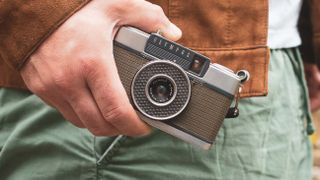
Smartphones and digital cameras may take dominated to the past twenty years, but film cameras have been making a comeback – and not just as inspiration for retro mirrorless cameras like the glorious Nikon Z fc.
Open up Instagram, search for the tag #filmisnotdead and you lot'll find over 20 million posts showing that, yes, moving-picture show is very much still alive. It's ever had a place in the hearts of traditionalists and hobbyists who grew upwards with counterpart shooting, simply film is too making a splash with younger photographers thanks to social media and YouTube.
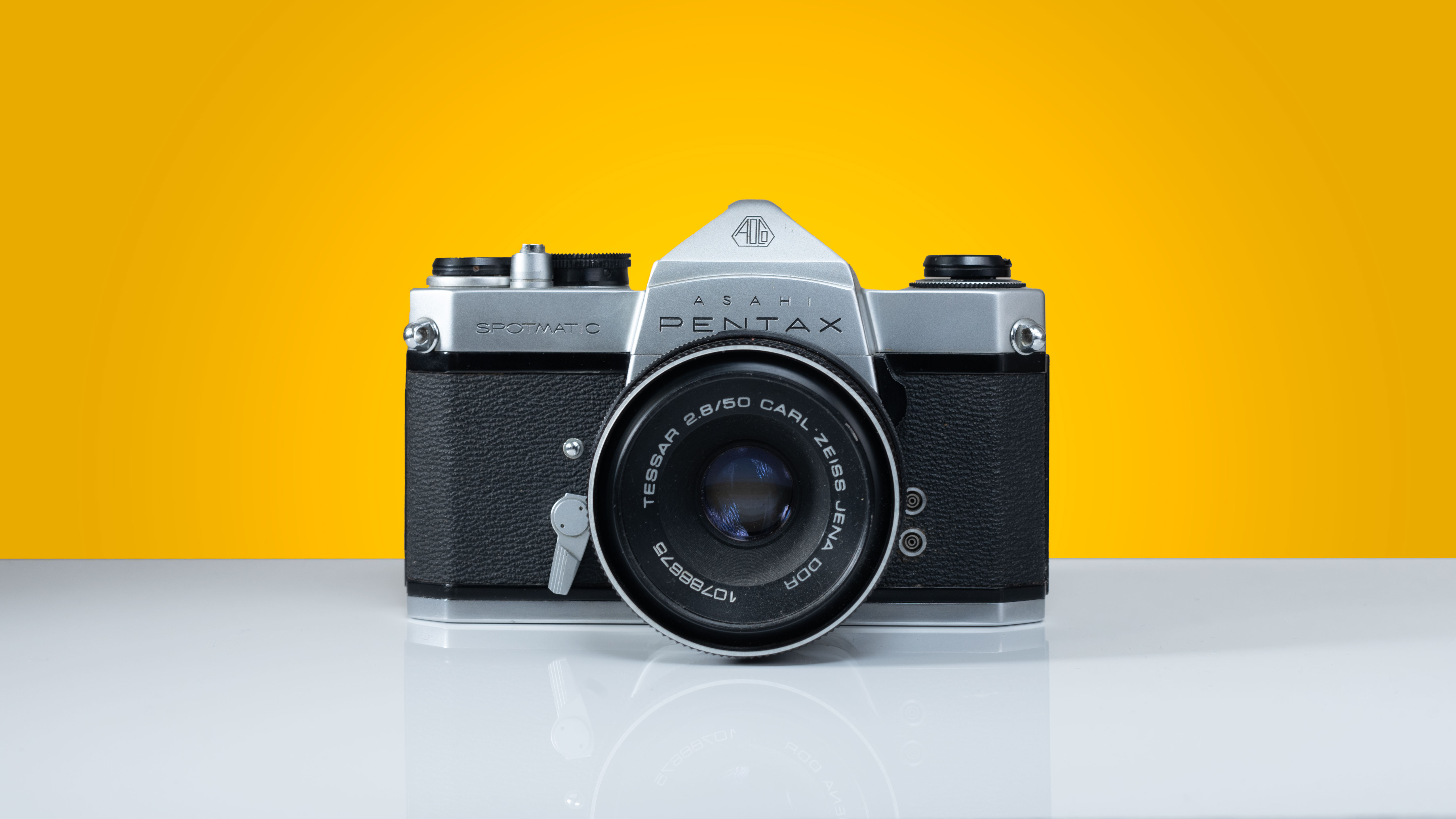
In that location seems to exist something about the tactile engagement of film cameras that photographers crave, which is no surprise when the residual of the globe is largely powered by swipes and impersonal video chats.
In an age of instant gratification nosotros accept developed the addiction of "chimping" (checking photos on the dorsum screen as soon every bit we've taken the shot) with our digital cameras, and this takes u.s.a. out of the moment. Shoot film, though, and in that location is no paradigm review, so we must appoint with our subject and environment.
In this introduction to movie cameras, nosotros'll offset explore the reasons why they tin can aid your digital photography – and so tell you lot how to get started and choose the all-time film photographic camera for yous.
Why film cameras are good for your photography
Head to any college or academy to study photography and you'll detect a common thread through all of the courses: the kickoff year is all most film. Well, perhaps not entirely, but there's a heavy emphasis on film photography including how to deal with and develop negatives, transparencies and more than.
In that location are a few reasons why this is the example, and all of them are beneficial to our photographic experience – even if we continue to shoot digitally on phones and mirrorless cameras.
one. Staying in the moment
Possibly the biggest characteristic film has over digital photography is that you lot can't review images during the shooting process. This inability to deconstruct limerick and exposure values means at that place's a lot more accent on getting things right in-camera first, before capturing the moment.
Keeping your optics in the landscape can help reveal details you'd otherwise overlook and this in-depth concentration should you develop a better 'heart' for composition and structure in photographs.
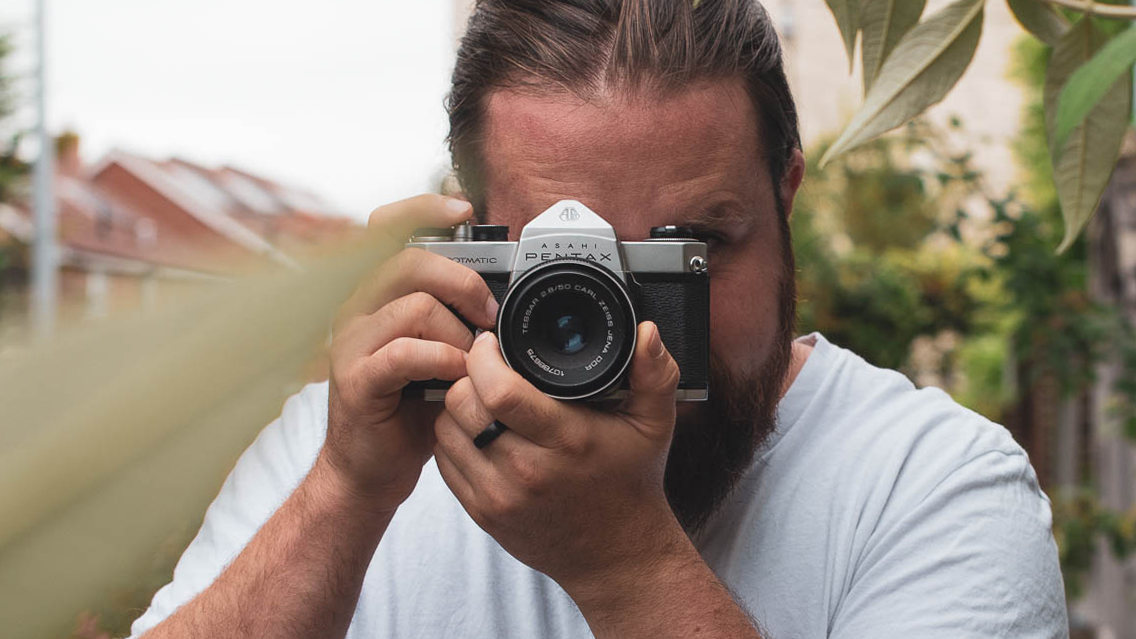
It can as well help improve your portraits past offer plenty of opportunity to conversation and make eye contact with subjects, meaning they can feel more at-ease for a better, relaxing experience in front end of the camera.
Past staying in the moment you can really strop in on what makes the photograph work. For example, by truly feeling the warm sunday on your face you might want to slightly overexpose the shot to reflect the heat, something that will help add meaning to your photo across elementary accuracy.
ii. Improving your discipline
Let's accept the gold standard of film shooting equally our case hither: the 35mm film whorl. A typical roll of 35mm motion-picture show offers just 36 exposures. That'south 36 single photos you have at your disposal to capture what y'all demand before changing rolls and getting information technology developed.
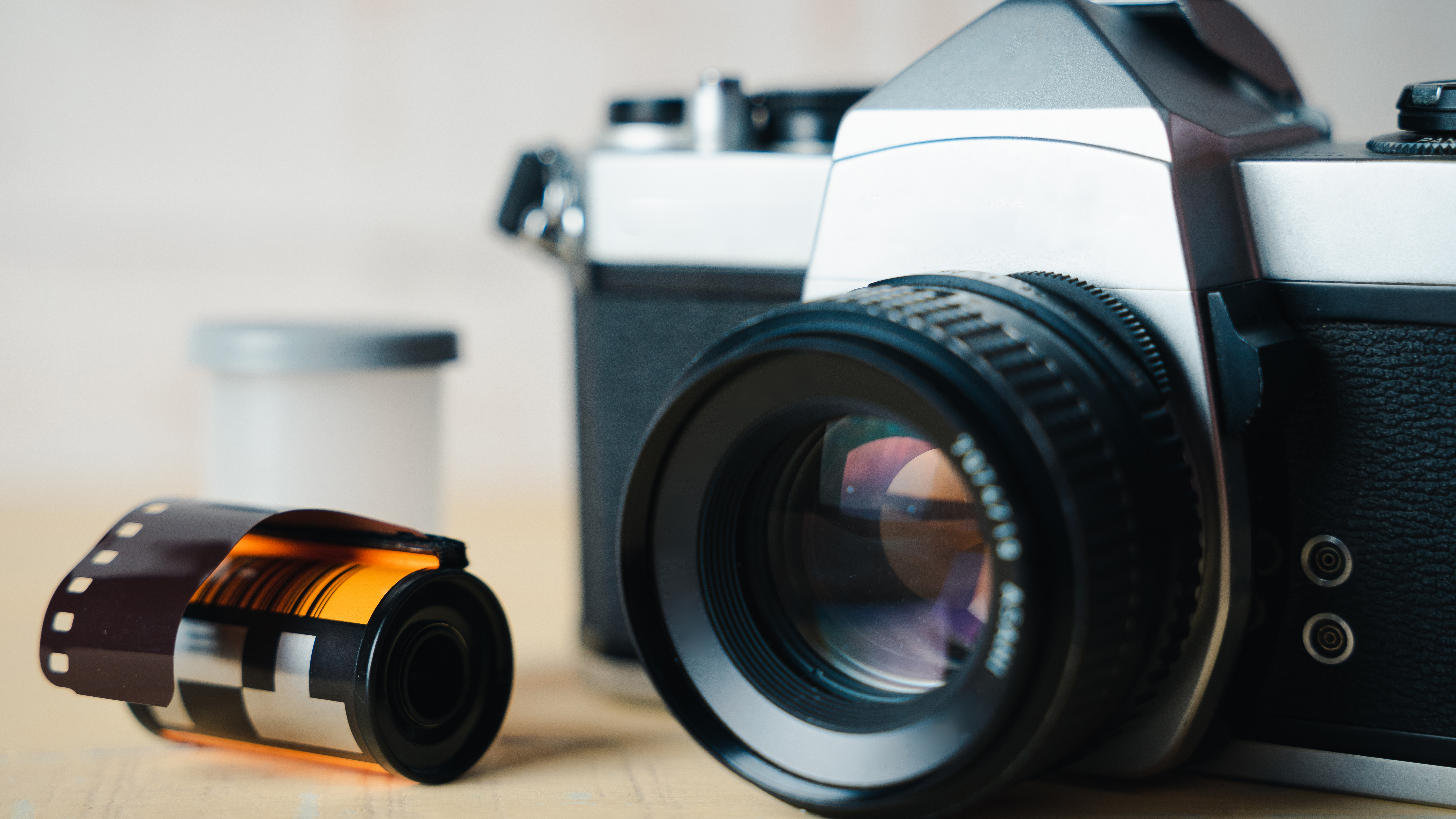
Depending on the film you buy, this could exist quite expensive – so it's of import to make every shot count. This is a field of study that sharpens the preparatory nature of photographers. Digital photography seems to work in the opposite management, with photographers rattling off shots just to get the right exposure, without always looking at the light meter or paying attending to the available lite or shifts in weather.
For instance, I took my Olympus Pen-EE out recently and captured some lifestyle images of my house and the surrounding area, more for posterity than annihilation else. But knowing that I couldn't review images and had just 36 attempts to capture everything I wanted, I started to plan out where to angle shots to include equally much information for my future self as possible. A skill which I automatically brought dorsum to my digital photography and helped develop my work almost immediately.
three. Total immersion
Speak to whatsoever lensman who's in dearest with film and you'll hear the aforementioned kind of responses when asked why they like to still shoot film: it's nigh the sensory experience.
This can exist a preference for a sure 'clunk' from a shutter release, the ticking as film is wound on, the feel of the metallic body, or but the pure sublime aesthetics of the camera itself.
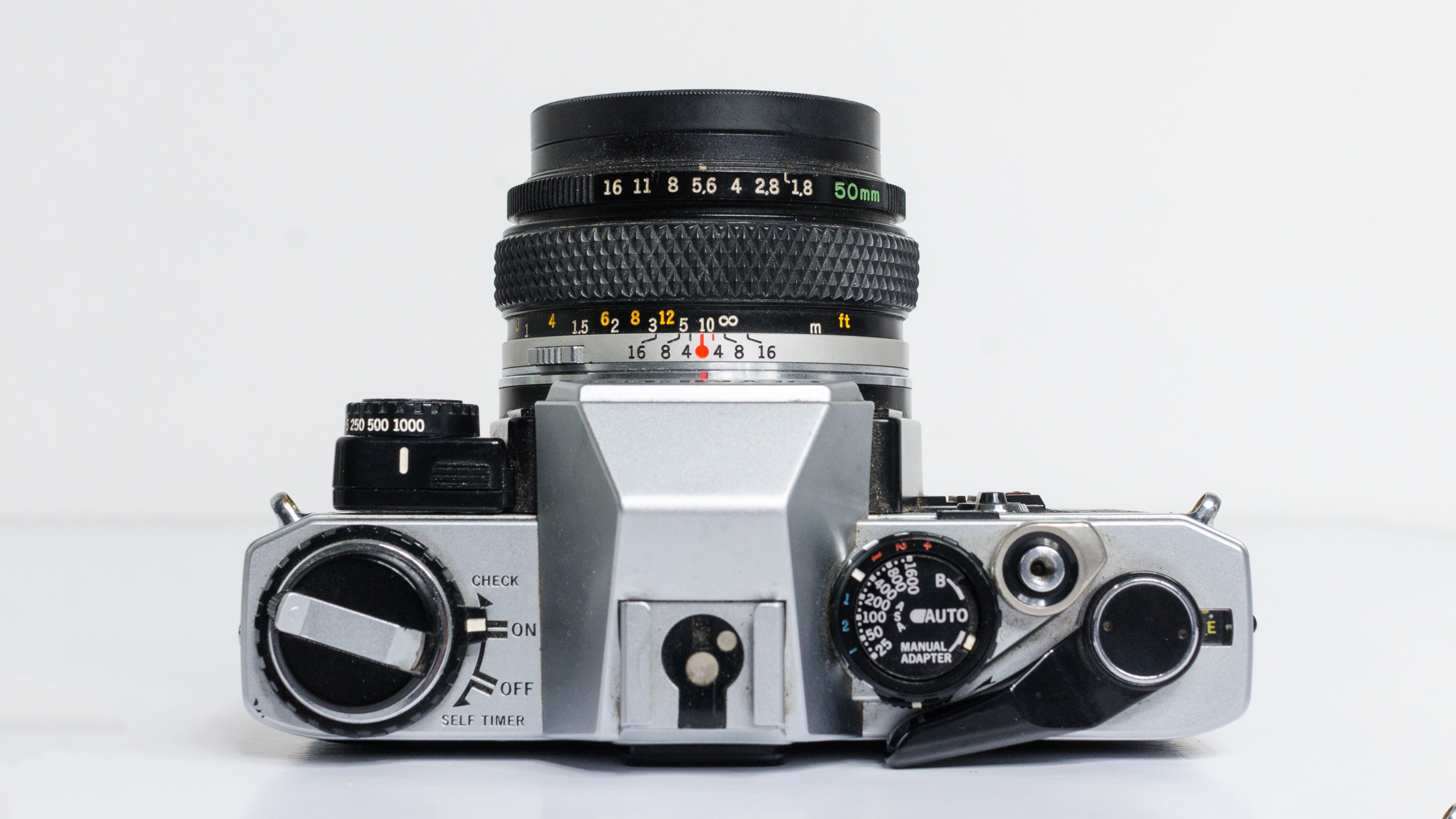
Film cameras seem to just appoint strongly with all of our senses in a way that digital seems often fails to practise. This is especially the case if you're shooting on a fully-mechanical picture camera, because you tin run across, hear, and feel every vibration that photographic camera makes equally you brand your shot.
There's a physical intimacy inherent in film photography, I believe, largely because of the proximity you take to spend with the cameras. There are no back screens, no analyzing stills, so the camera must exist held close to the middle, pressed against the nose, and looked at itself to determine how many more than frames yous have left on the ringlet.
4. Creative restrictions
Once you lot've chosen your film and loaded it, you're locked in. White balance and ISO sensitivity have been decided and at that place's no switching upwards office-way through without destroying your other frames as light leaks tin overexpose pic to destruction.
You have to think far in advance of what you lot're going to shoot, right at the point of purchase of that roll of film. Where are you lot going to exist shooting? Will it be inside with Tungsten lighting, or outside in bright sunshine? Perhaps you're hoping for some low-lite landscapes in which case a daylight counterbalanced merely loftier ISO roll may exist handy?
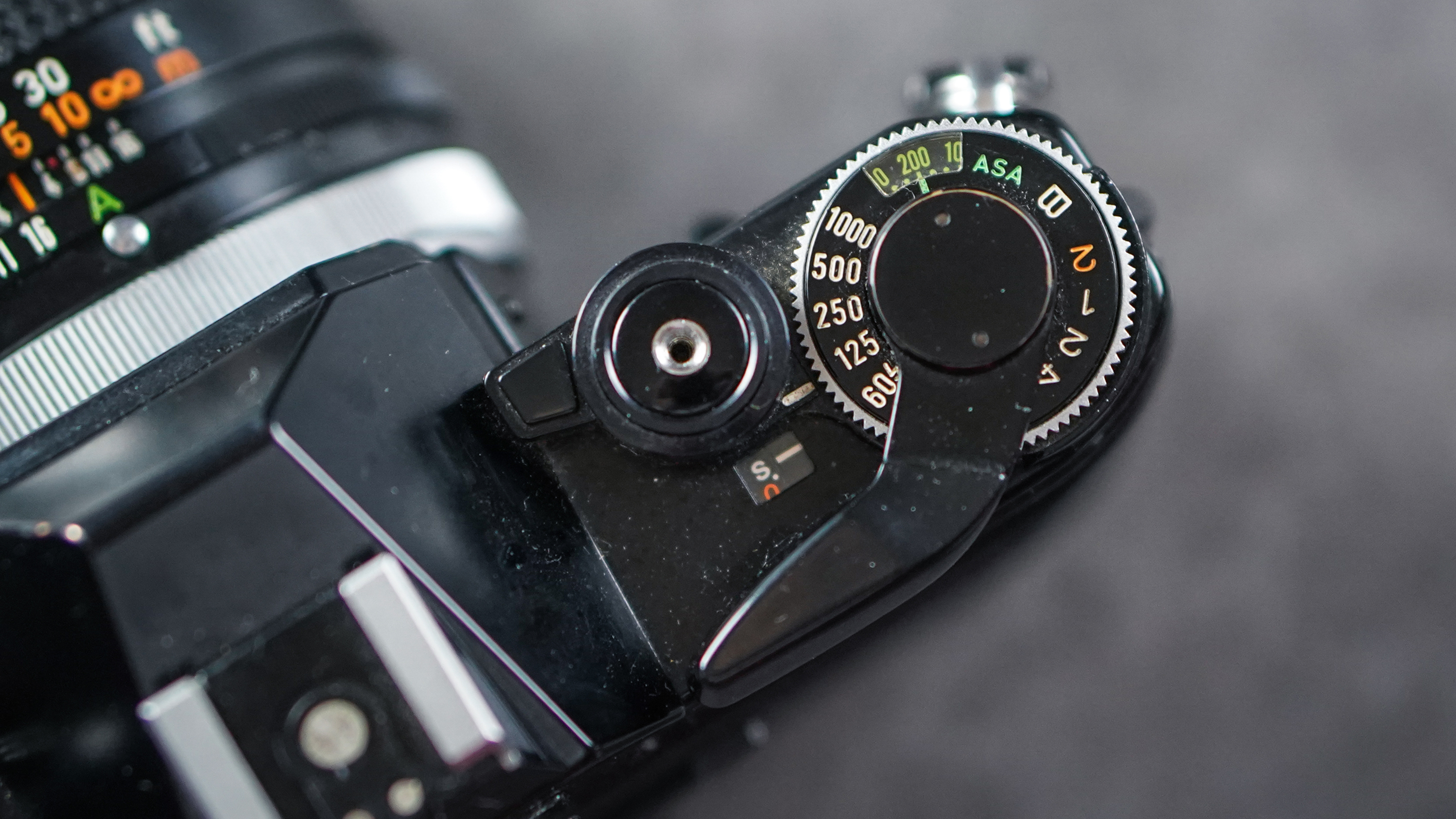
Of course, you tin deport more than than ane ringlet of film, merely again yous're locked in for 36 exposures before changing over, and so it helps refine the idea patterns before shooting. This could be particularly beneficial for those who are quite flighty and dream-similar in their approach to photography, as information technology volition help complement that spontaneity with some added bailiwick.
5. Improving your eye
There are limits on how far you can push button film – and the fact that you demand to meter your low-cal and be aware of camera settings earlier yous press the shutter button, ways y'all're forced to appoint with your surround showtime.
Await at the exposure values of various zones effectually your scene – you can utilize Ansel Adams and Fred Archer'due south Zone System (opens in new tab) if that helps. You'll accept to be aware of the specific filtration required for good exposure and to avert overexposed highlights or underexposed shadows.
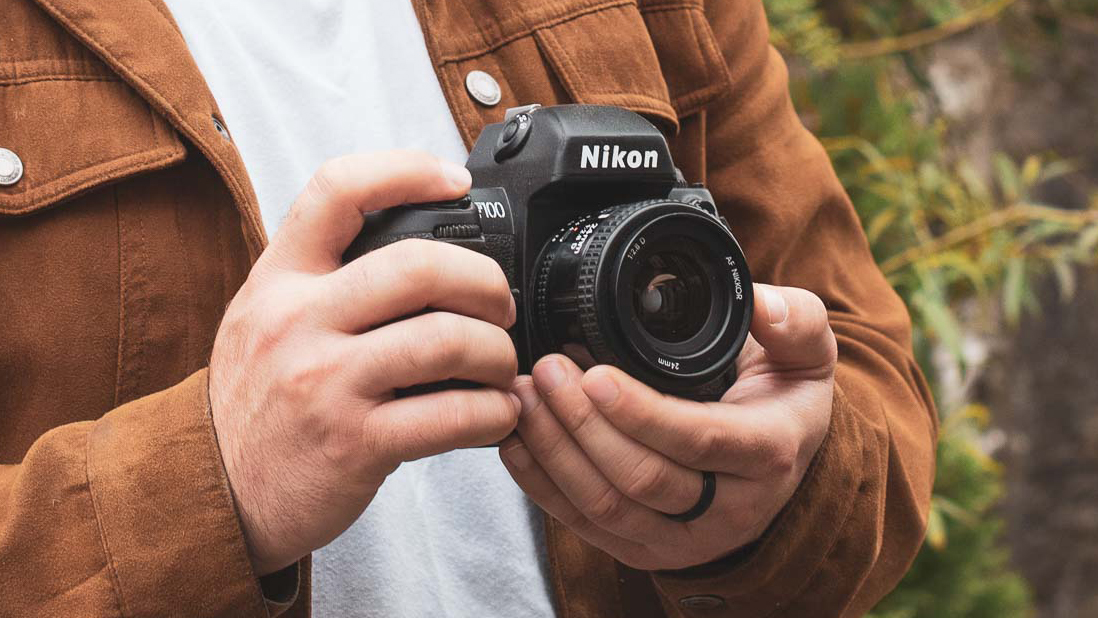
There's express fixing that tin be done after you've captured the shots, and those used to editing up or downwardly 3-5 stops in Lightroom will demand to pay shut attention hither. Do y'all need a UV filter to reduce glare in your scene? Or maybe a graduated neutral density filter is essential for those seascapes you lot've been wanting to capture?
You lot have to wait at the scene (or visit it ahead of time) and make notes on what equipment y'all'll need for it, in order to capture the details you're hoping for.
How to get started with motion picture photography
So you've decided to get started in moving-picture show photography and want to get stuck in, but where exercise you lot start? There are loads of different cameras to choose from, and you can head to our separate guide on the best film cameras for more than details on those. Only what about choosing lenses, and where do you go flick rolls these days? Luckily, we take the answers.
1. Choose a camera
In that location are many types of film camera to cull from and each accept their own qualities and advantages.
The best instant cameras are light, portable, and produce a photograph in that location and and so, without the demand for further development. Medium and large format cameras, meanwhile, are much bigger and bulkier, therefore require longer prep and setup times. Betoken-and-shoot cameras are perfect for those wishing to capture memories and holiday snaps who accept lilliputian interest in the minutiae of manual settings. Nonetheless, the aureate standard when information technology comes to film cameras is 35mm film.
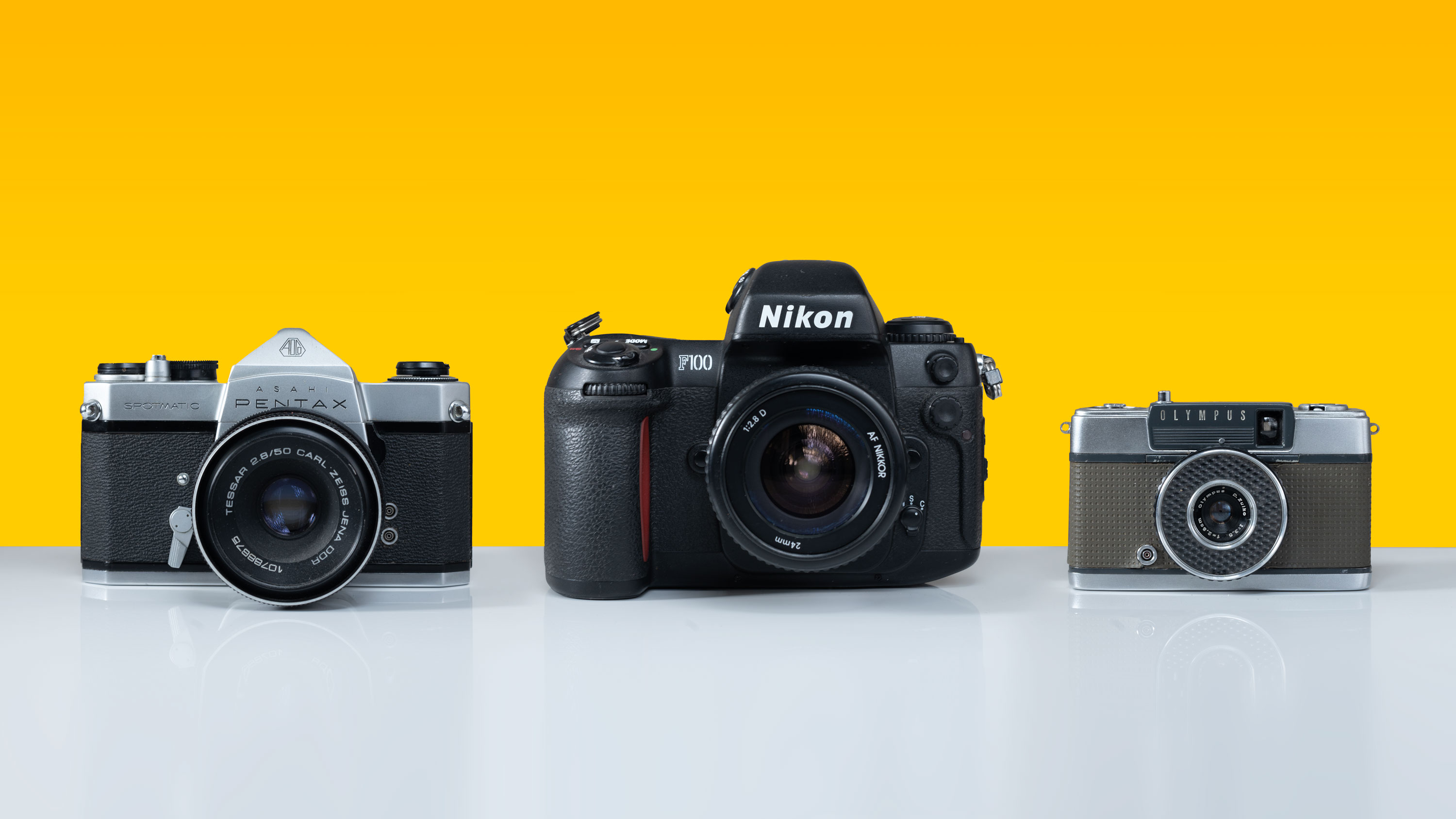
That's because they're relatively small and portable like instant cameras, but provide a pretty big frame to capture item on the film.At that place are so many models to choose from, and some new 35mm flick cameras are even so being produced today.
The staple for those wishing to get into picture photography is likely the Catechism AE-1 (the shutter sound of which appears on all iPhones as the photograph capture sound) or the Pentax K1000. Both are cheap and reliable. Their unproblematic design makes information technology easy for newbies to become into picture show but likewise give plenty command and manual settings to give more than seasoned photographers the command they really need. They're like shooting fish in a barrel plenty to find on eBay or through second-hand photographic camera stores such as Park Cameras (opens in new tab) (in the UK) or Adorama (opens in new tab) (in the U.s.).
two. Selection a picture show
There are iii primary options when it comes to choosing movie: color reversal, black-and-white reversal, and print film. The most common type of film many of us have probable seen earlier is the print film, which produces negatives.
Negatives capture inverted colors and therefore need to exist adult to provide the right coloration. These are also the cheapest and nigh abundant in the shops. Kodak, Fuji and Ilford are the main manufacturers of 35mm impress moving picture and offer a range of color or black-and-white options in a variety of ISO sensitivities and white balances. The cheapest of all 35mm film options, single rolls tin be purchased from anywhere between $vii-thirteen (£5-£ten), or cheaper in majority.
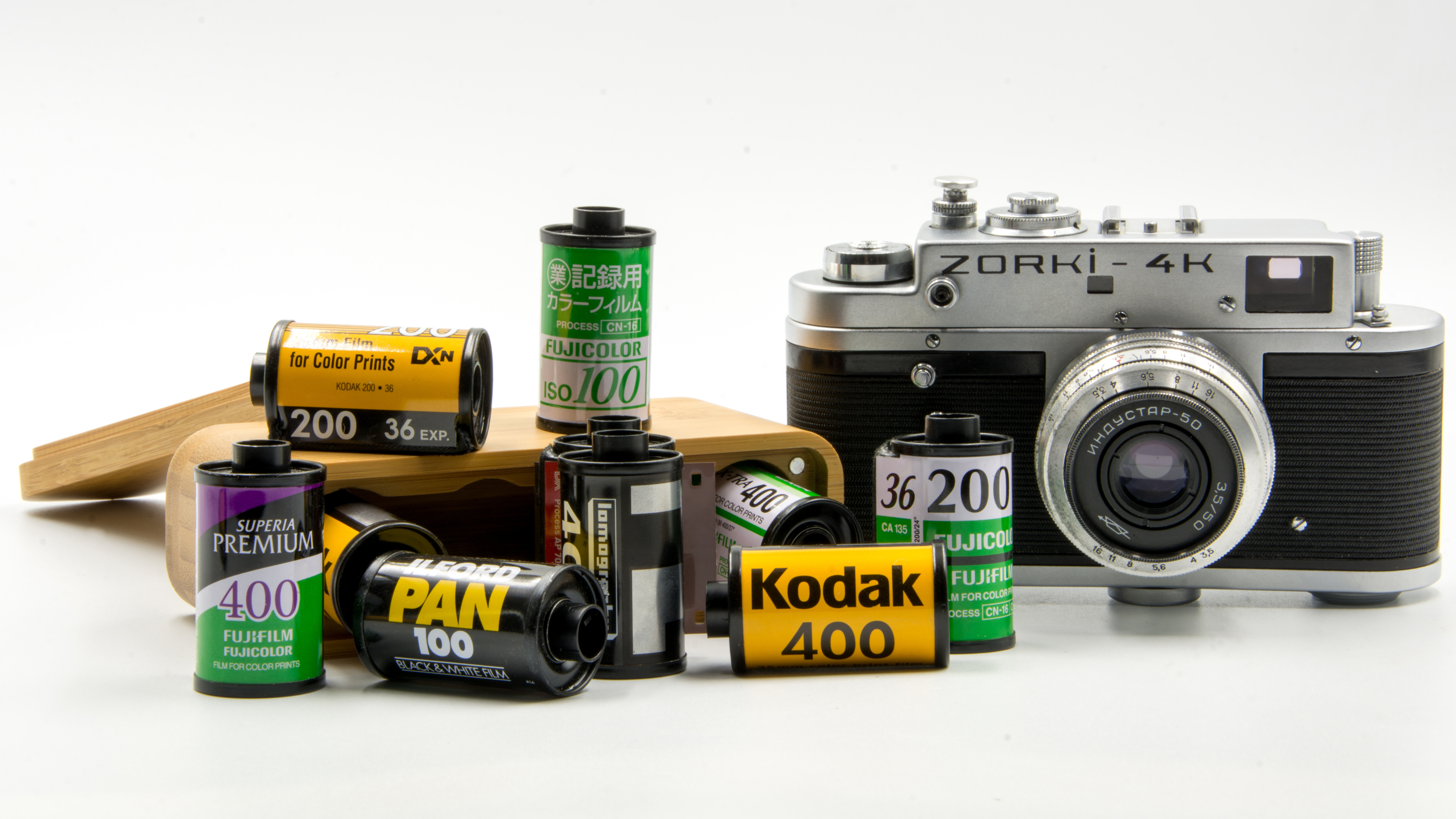
The second most common type of motion-picture show is the color reversal, otherwise known as transparencies. These comprise the normal color spectrum and can be viewed with a magnifying glass or loupe relatively accurately. Popular them in a minor plastic casing and we call them slides, the same slides that some may have had to watch subsequently relatives got dorsum from holiday.
In that location are currently two major manufacturers of slide movie – Kodak and Fujifilm – with each roll costing around $20 (or between £15-20). Black-and-white reversal film works in the same style as standard color slide motion picture, but due to information technology only producing a monochrome image is arguably less pop.
3. Primary the basics
The most important thing to master when new to flick photography is to exist incredibly aware of the exposure triangle.
Aperture, shutter speed and ISO are all major factors in exposing your images – and with ISO beingness locked in during the use of one ringlet of film, information technology's crucial to sympathise how to meter your light reliably.
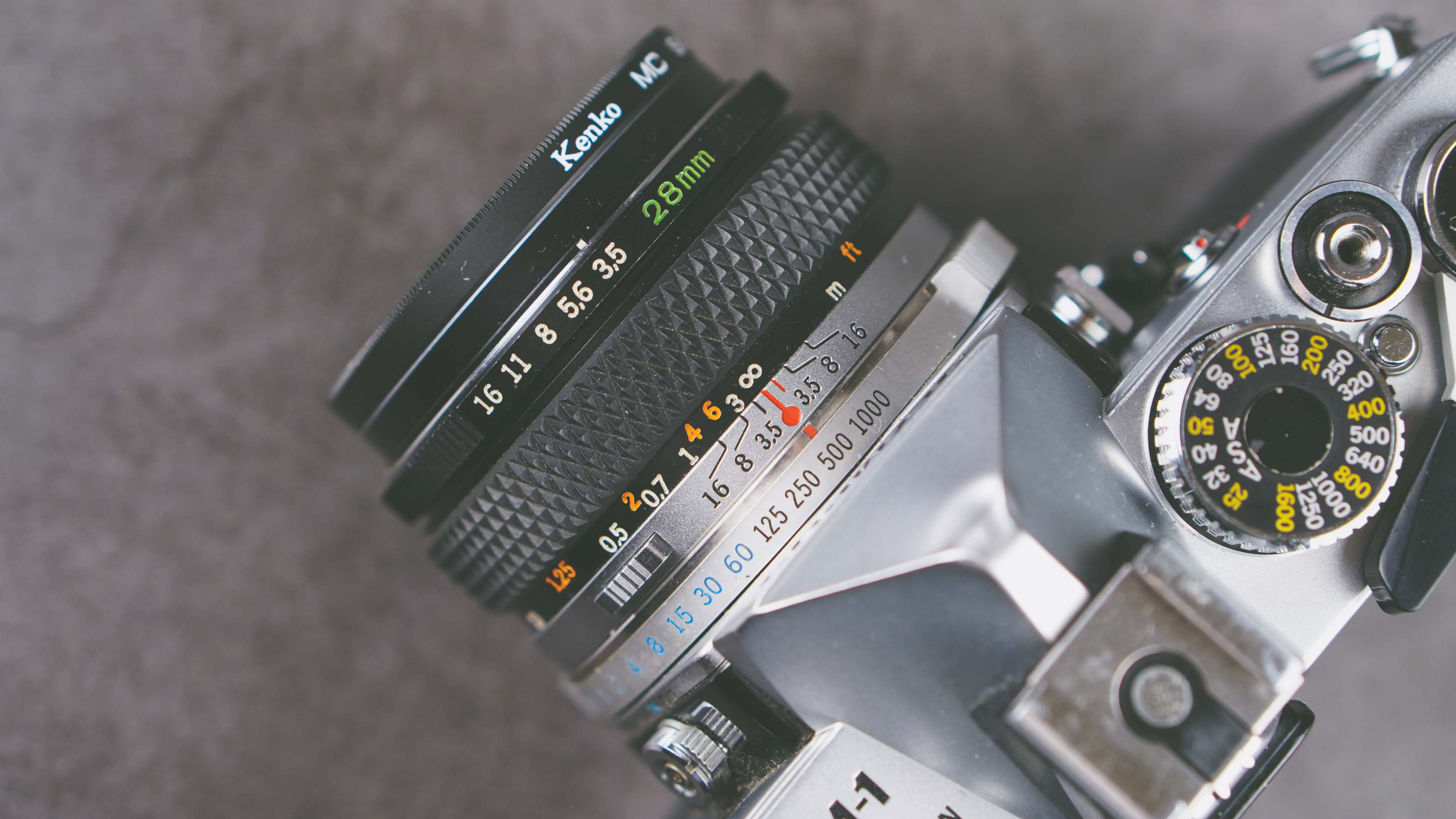
If the film photographic camera you're using doesn't have a light meter and you lot don't have an external one, you lot can always use the 'sunny xvi' rule. This dominion states that if it'south vivid and sunny outside, then gear up your aperture to f/sixteen and brand your shutter speed the reciprocal of your picture's ISO value – so for ISO 200 moving picture, for example, your shutter speed would be 1/200s or one/250s.
4. Cull the right lens
Picking a movie photographic camera body is only one part of the story, because your photographs will change based on which lens you lot used. Simply put, there are two master types of lenses for 35mm film cameras: fixed focal length and zooms.
Fixed focal length lenses are, past their very nature, fixed at ane focal length, for instance 24mm or 50mm or 85mm. That means if you want to recompose your image you'll have to physically move back and forth until you lot've got the right framing.
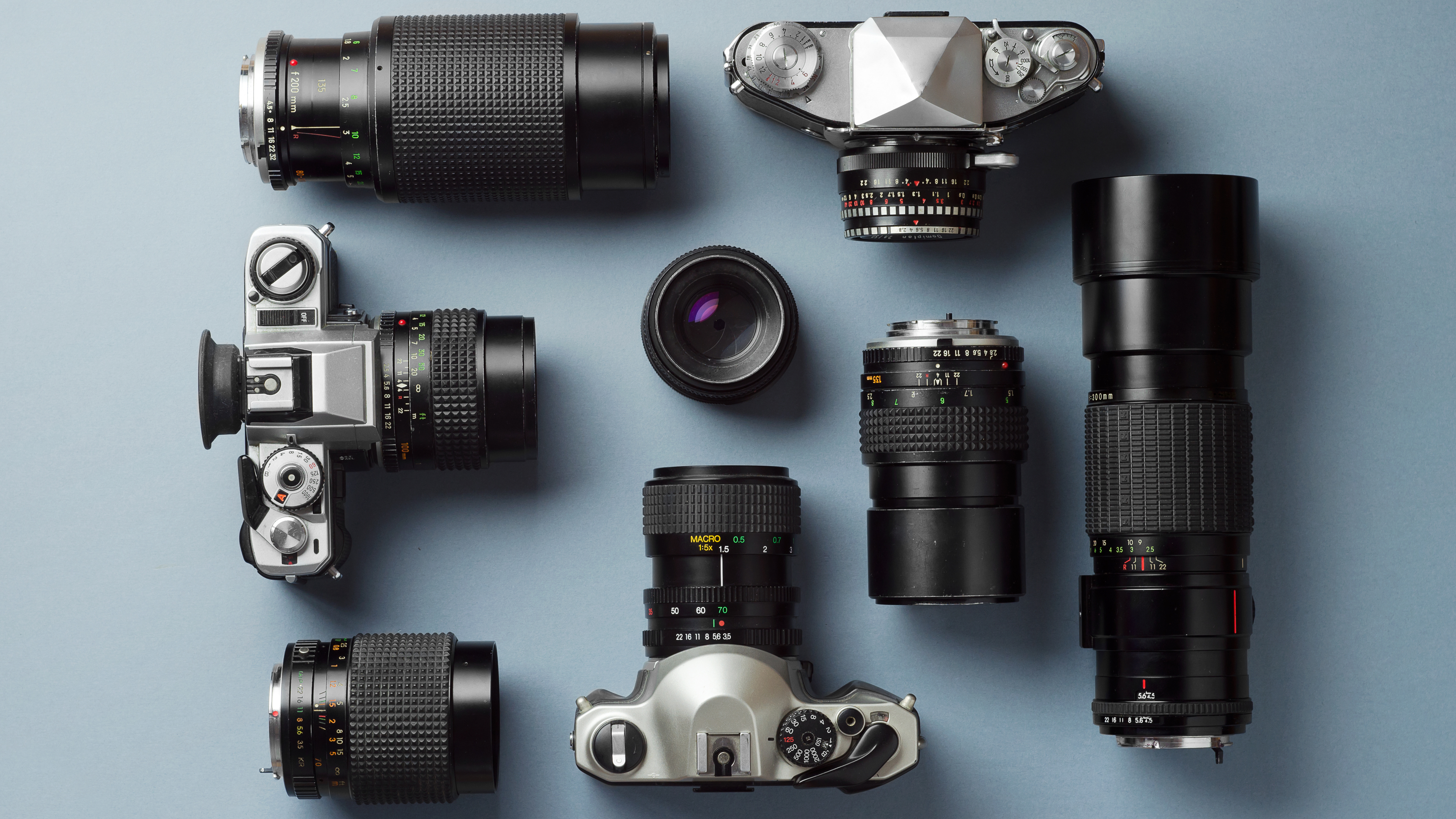
The upside of these lenses though is that they're typically smaller, lighter and sharper than zoom lenses, and have wider maximum aperture values. That'due south because zoom lenses require many more than pieces of drinking glass within the lens barrel in gild to produce sharp and consistent results when zooming in and out.
Zoom lenses also tend to suffer more from chromatic abnormality, which is a color fringing issue around areas of stark dissimilarity. However, zoom lenses offer the ability to recompose without moving your feet and make slap-up do-information technology-all options for those looking to travel and keep the photographic camera bag light.
5. Getting your film developed
Office of the joy of shooting movie photographs is to develop the pic yourself. Depending on which blazon of 35mm film y'all become for though, this tin can be a lengthy and expensive process with lots of kit and chemicals required to procedure the film finer.
However, there are elementary DIY kits from the likes of Paterson, Stearman and The Film Photography Projection, which are proficient options for beginners who desire to have a go themselves. Once y'all've adult your snaps, you'll probable want to get them digitized by scanning them – a good budget pick is the Pixl-latr (opens in new tab) , although higher-quality scanners are bachelor from the likes of Epson and Plustek.
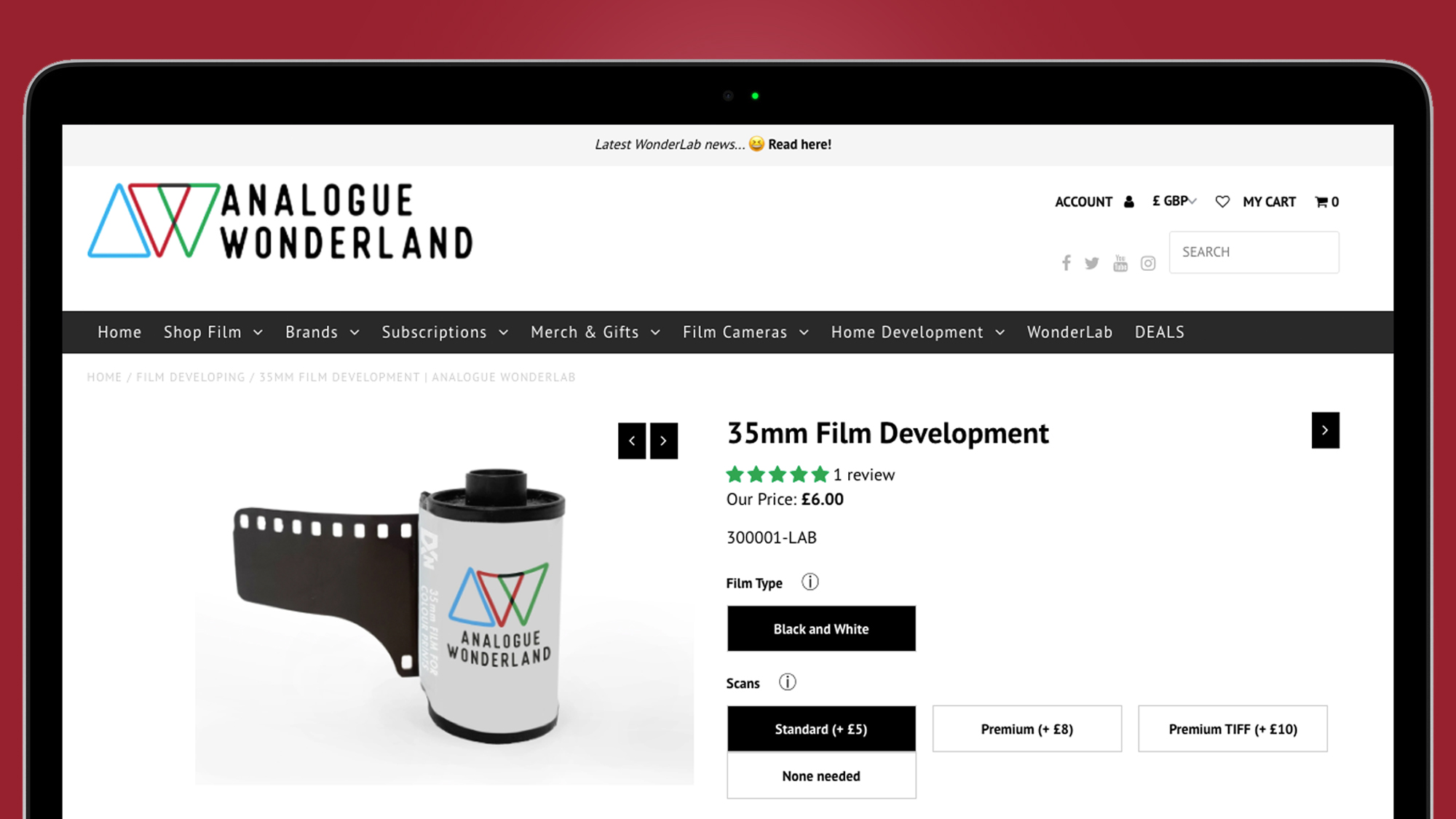
Most beginner film photographers, though, will probable want to use a photographic laboratory to develop or scan their motion-picture show – and there are still a surprising amount of options to choose from. In the United kingdom of great britain and northern ireland, Max Spielmann (opens in new tab) and Counterpart Wonderland (opens in new tab) are good choices. For U.s.a. photographers, there's Indie Picture show Lab (opens in new tab) and State Film Lab (opens in new tab), while those in Commonwealth of australia can mail their processing and scanning orders to the likes of Film Never Die (opens in new tab) or Blue Hr Photo Lab (opens in new tab).
If you'd rather get your processing done with your shopping, many supermarkets likewise provide moving picture development services. In the Us, Walmart, Walgreens and CVS all still offer in-store services, while in the UK Asda and Tesco both offer motion picture development (though the latter is provided by Max Spielmann).
- These are the best movie cameras you can buy correct at present
Source: https://www.techradar.com/news/should-i-buy-a-film-camera-in-2021
Posted by: beaudrydonsfult.blogspot.com
0 Response to "Should Anyone Invest In A Film Cameras Now"
Post a Comment